Explore the vibrant culture and timeless history
Anuradhapura Ancient City – Sri Lanka’s First Capital & UNESCO World Heritage Site
Anuradhapura
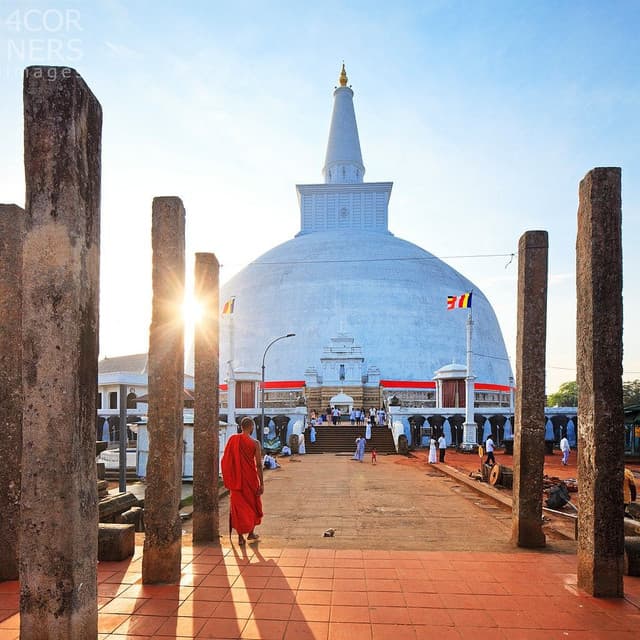
Photo Gallery
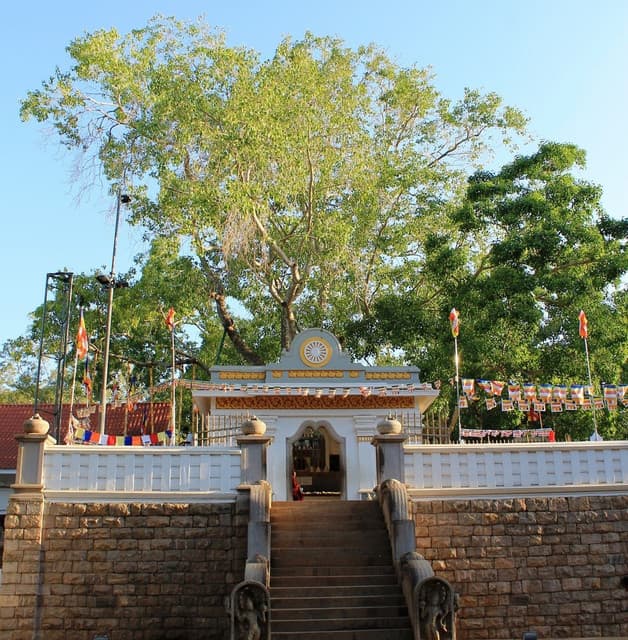
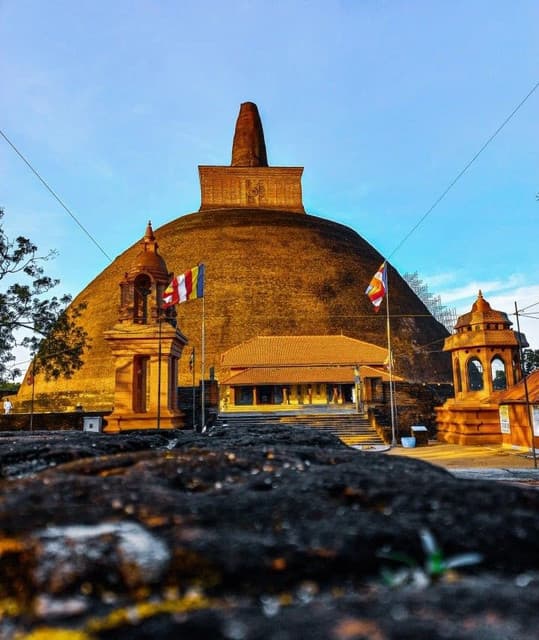
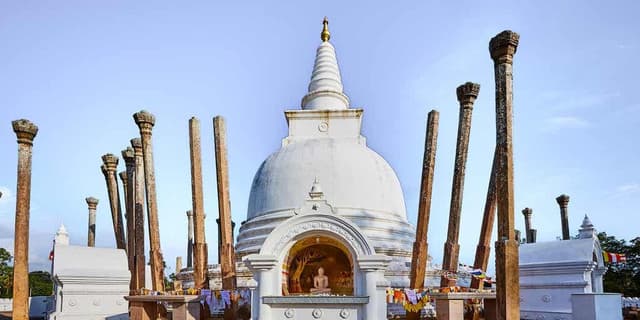
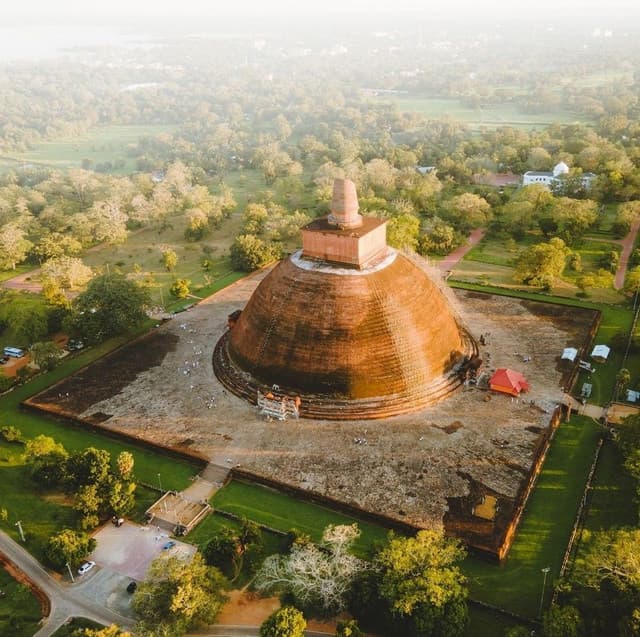
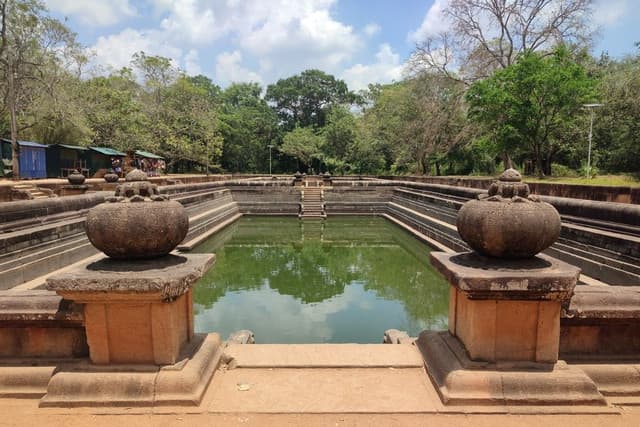
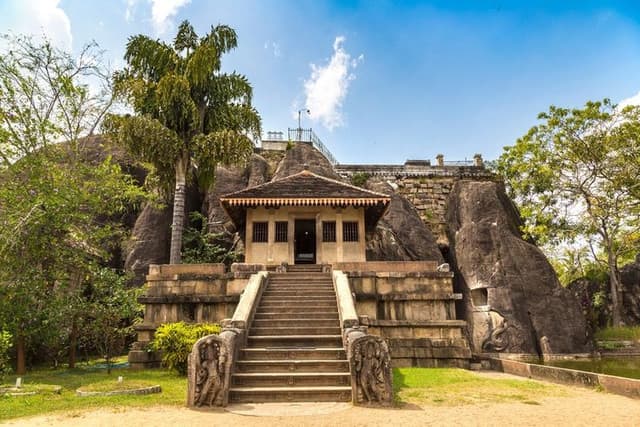
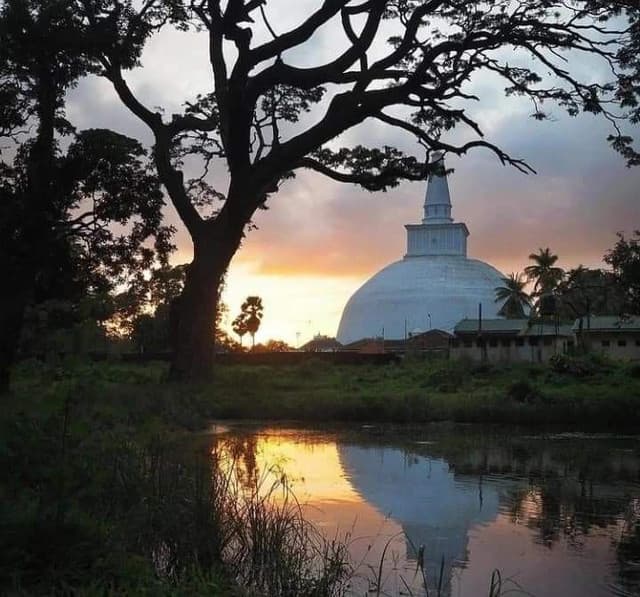
Anuradhapura, the first great capital of Sri Lanka, stands as a living testament to the island’s ancient civilization, spirituality, and ingenuity. Founded in the 4th century BC, it remained the political and religious heart of the nation for more than a millennium. Today, this sprawling UNESCO World Heritage Site invites travelers to walk through sacred grounds, colossal monuments, and ingenious reservoirs that reveal the brilliance of early Sinhalese culture.
Anuradhapura was not only a royal capital but also a thriving monastic center. Kings built towering stupas, vast monasteries, and advanced irrigation systems, while monks nurtured Buddhism, making the city one of the most important pilgrimage destinations in Asia. The sacred Sri Maha Bodhi Tree, brought from India in the 3rd century BC, remains the oldest documented tree in the world and continues to draw devotees from across the globe.
Architectural Marvels
Ruwanwelisaya Stupa – A gleaming white dagoba built by King Dutugemunu, symbolizing unity and devotion.
Jetavanaramaya – Once the tallest stupa in the ancient world, rivaling the pyramids in scale.
Thuparamaya – The first Buddhist stupa in Sri Lanka, marking the arrival of Buddhism.
Abhayagiri Monastery – A vast monastic complex that was home to thousands of monks and a hub of Buddhist scholarship.
Twin Ponds & Reservoirs – Ingenious hydraulic systems that sustained the city’s population and showcased advanced engineering.
Anuradhapura is more than ruins; it is a living sacred city. Pilgrims still gather to worship at stupas, offer flowers at shrines, and meditate under the Bodhi tree. The atmosphere blends reverence with timeless beauty, allowing visitors to experience both history and spirituality in one place.
The city is surrounded by reservoirs, lush greenery, and wildlife, making it a destination where history and nature coexist. Ancient tanks like Nuwara Wewa and Tissa Wewa reflect the advanced water management systems that sustained agriculture and daily life for centuries.